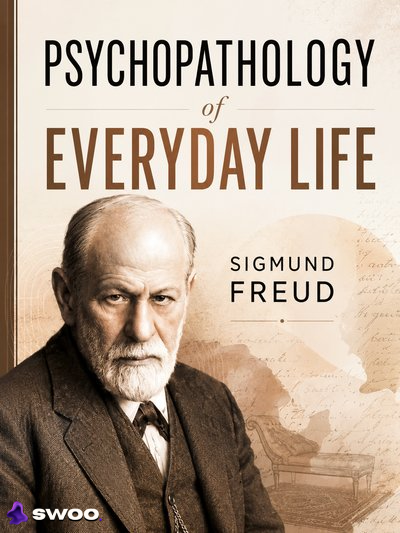
Psychopathology of Everyday Life
Freud's groundbreaking exploration of slips, errors, and the unconscious mind in daily life. Where "Freudian slips" were born.
Listen on SWOO.About this book
Psychopathology of Everyday Life, published in 1901, is Sigmund Freud's accessible introduction to psychoanalytic theory through examination of common everyday mistakes. The book popularized the concept of "Freudian slips"—minor errors in speech, memory, and action that reveal unconscious thoughts.
Freud analyzes forgetting names, misreading words, losing objects, slips of the tongue, and other mundane errors. He argues these aren't random accidents but meaningful expressions of repressed desires, conflicts, and wishes. Through countless examples from his own life and patients, Freud demonstrates how the unconscious constantly influences conscious behavior.
This work made psychoanalytic ideas accessible to a general audience and profoundly influenced how people think about their mental life. The notion that there are no accidents—that every slip reveals hidden meaning—entered popular culture. While modern psychology doesn't accept all Freud's interpretations, the book remains a fascinating exploration of the mind's hidden workings.